
A Rough Start: Health Issues, Hard Truths, and a New Plan
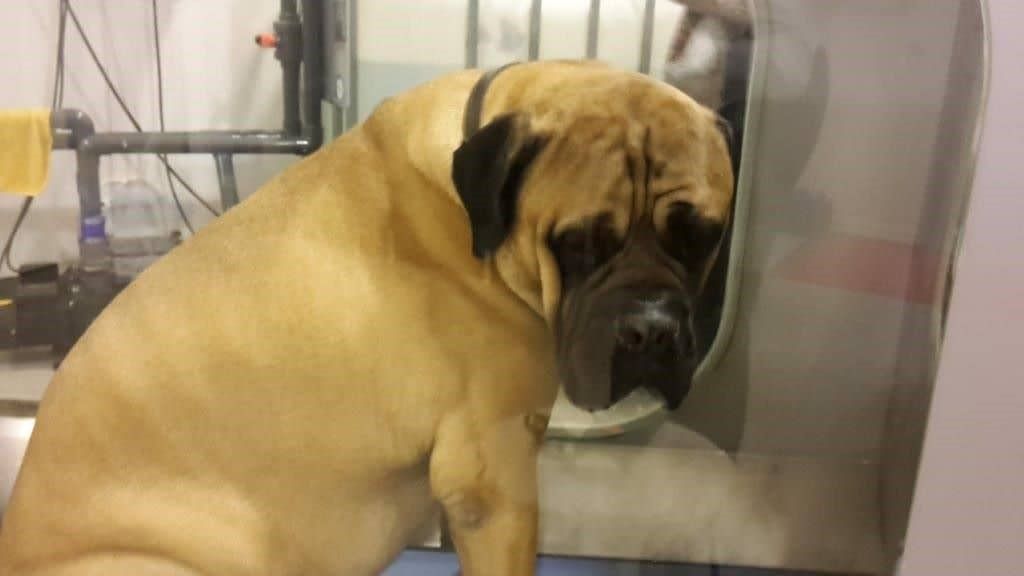
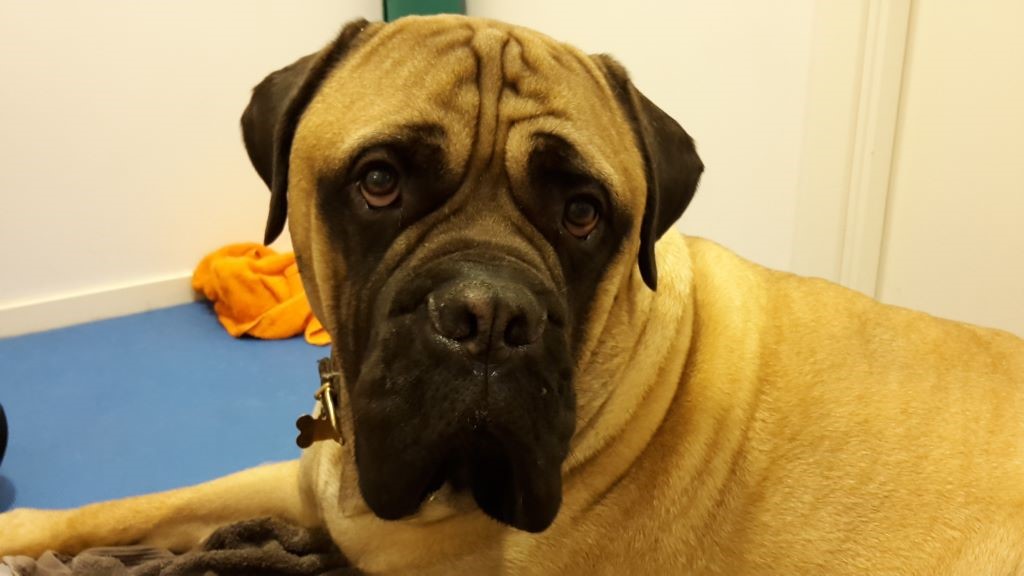
This is the story of Ralph, an adorable, overweight dog. As a young Bullmastiff, he underwent chemical neutering in May 2016. After the procedure, he slowly gained weight and beginning of 2017 ended up with front leg lameness. The owners took him to the veterinarian, who diagnosed shoulder osteoarthritis and obesity. At just 1.5 years old, Ralph weighed 76 kg (167 lbs).
By the time I met Ralph, he had already lost a few kilos but remained significantly overweight. X-rays had revealed changes in his shoulder and elbow joints, and if that wasn't enough, later on, his owners were heartbroken when also informed their dog was suffering from hip dysplasia.
When they slowly got a picture of the complexity of Ralph’s situation, they decided to do everything they could to help him out, that was their responsibility he got to this point they said. So, Ralph got referred to physiotherapy rehabilitation.
Steady Progress: Weight Loss, Mobility, and a New Lease on Life
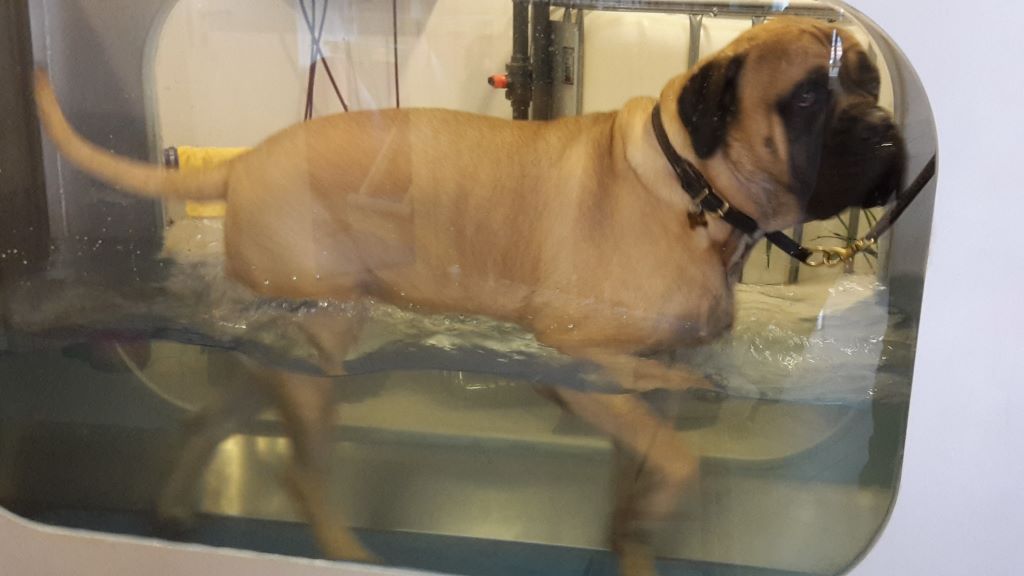
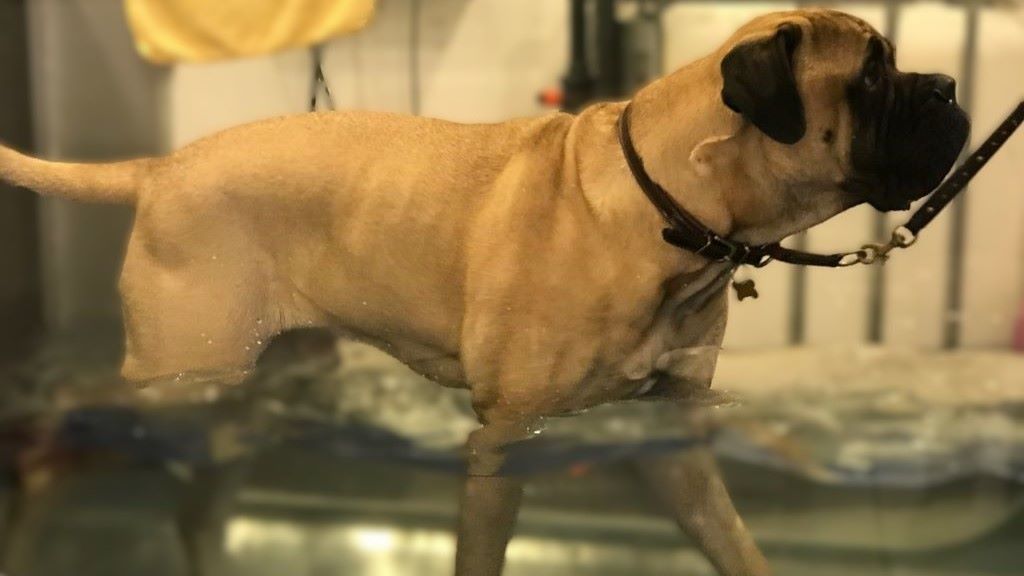
This is where his journey began with losing weight and getting his strength and health back. First off, his diet was regulated, he started with hydrotherapy in a water walker so he could do some light workout without putting more strain on his joints. We introduced simple stance exercises to do at home, and a plan including joint and muscle mobilizations to enhance mobility and circulation and ease the stiffness and pain he had in his body.
His weight loss was gradual but steady, which was what we wanted. By autumn, after a summer of beach walks as home rehab, Ralph weighed 60.5 kg (133 lbs) and had built strong muscles. He was no longer lame, had regained his energy, and he started enjoying some play again. By his most recent weigh-in, he had reached 58.3 kg (128 lbs, see image further below) intending to shed a little more.
Since resuming water treadmill sessions after summer, Ralph now trains every other week, completing 35–40-minute sessions, including faster-paced walking intervals. As a naturally laid-back dog, he requires extra motivation, but his progress has been remarkable.
The Power of Owner Dedication
A key factor in any rehabilitation program is owner commitment. Ralph’s owners were dedicated to his recovery, putting in the time and effort to support his progress. Their dedication is a testament to the love and responsibility many dog owners show toward their pets.
The Impact of Obesity on Canine Health
Recognizing the Signs of Canine Obesity
Has your dog started carrying a little extra weight? If you can no longer feel their ribs, hip bones, or spine, they may be overweight or even obese. Unfortunately, obesity affects dogs much like it does humans, with significant consequences for their joints, muscles, and overall movement.
Overweight dogs often become stiffer and struggle with daily movements like standing up, turning, or even going for walks. Playfulness might decrease, and over time, the extra weight leads to joint overload. As activity levels drop, muscle mass, strength, and motor control decline, increasing the risk of strain injuries and conditions like osteoarthritis. Once a dog reaches this stage, they rely entirely on us to make the necessary changes to improve their health.
How Excess Weight Impacts a Dog’s Mobility
A long-term study conducted by Purina found that maintaining an optimal body condition significantly improves a dog’s mobility and delays the onset of osteoarthritis. Dogs that were kept at a lean weight from puppyhood throughout their lives not only lived longer but also experienced fewer mobility issues as they aged (source).
Obesity is also a known risk factor for hip dysplasia (HD), a condition where the hip joint does not form properly during a dog’s growth phase. While HD has a genetic component, excess weight worsens instability in the joint, often leading to pain and mobility challenges.
Additional Health Risks of Canine Obesity
Beyond mobility concerns, obesity can contribute to:
- Increased risk of diabetes
- Higher likelihood of certain cancers
- Infertility
- Reduced heat tolerance and exercise capacity
- Shortened lifespan (by up to two years)
Common Causes of Canine Obesity
Several factors contribute to weight gain in dogs:
- Overfeeding – Too much food, excessive treats, or access to extra food sources (e.g., table scraps, cat food, chew bones, or dental sticks).
- Poor Diet Balance – Some commercial dog foods contain imbalanced protein, fat, and carbohydrate ratios.
- Lack of Exercise – Insufficient physical activity contributes to gradual weight gain.
- Neutering/Spaying – Can reduce metabolism and alter appetite regulation.
- Medical Conditions – Hypothyroidism and medications like corticosteroids can lead to weight gain.
- Age – Older dogs often experience muscle loss and lower energy needs.
- Breed Predisposition – Some breeds are genetically prone to obesity.
Since dogs rely on their owners for food, managing their weight is entirely our responsibility. While reducing food intake might seem like an easy solution, it’s not always that simple. Choosing the right diet requires careful consideration, and consulting a veterinary nutritionist can be beneficial.
For many owners, feeding their dog is a way of expressing love, making it emotionally challenging to adjust feeding habits. However, maintaining a healthy weight is one of the best ways to show your dog you care.
Encouraging an Overweight Dog to Be More Active
Exercise is essential for weight management and overall well-being. Here are some ways to safely increase your dog’s activity:
- Increase walk frequency – If long walks are too difficult, take shorter, more frequent strolls.
- Incorporate interval training – Alternate between a normal walking pace and brief periods of trotting.
- Utilize hills and stairs – Walking uphill or climbing stairs engages muscles and helps burn fat.
- Limit excessive sniffing – Allow designated time for sniffing, but focus on structured walking.
- Encourage play – Tug-of-war (gently to avoid neck strain), short-distance ball tosses, and chase games can keep your dog engaged.
- Use interactive training – Teach tricks like weaving between your legs, high-fives, or hide-and-seek to keep your dog moving in a fun way.
Changing Habits: Owner Commitment is Key
Ultimately, owners must adjust their habits to support their dog's weight loss. Most dogs are eager for new adventures, whether it’s a different walking route or meeting a new friend. Walking with a friend who also has a dog can make the experience more enjoyable for both you and your pet.
If treats are a must, consider using a portion of your dog’s daily food allowance as training rewards rather than adding extra calories. Another fun approach is scatter feeding—hiding small portions of food around the house or garden for your dog to find.
The Role of Physiotherapy in Weight Loss
Many overweight dogs are referred to physiotherapists due to lameness or joint problems. Before starting any rehabilitation plan, a veterinary assessment is necessary to rule out underlying medical conditions and ensure the dog is fit for structured training.
A physiotherapy plan typically includes:
- Assessment of joints, muscles, and movement patterns – To determine physical limitations and develop an appropriate treatment plan.
- Customized exercise routines – Designed to build strength and mobility while minimizing joint strain.
- Home care instructions – Owners may be asked to perform gentle massage and structured home exercises.
- Regular weigh-ins – To monitor progress and adjust the plan if needed.
- Owner education and support – Guidance on weight management, safe activity levels, and how to recognize signs of discomfort or progress. Owners receive practical strategies to stay consistent with rehab exercises and avoid common setbacks.
If a dog does not show progress within four weeks, food intake, treat habits, and exercise consistency are reassessed. It’s crucial for all household members to be on the same page regarding feeding and activity levels.
🐾 Keep your dog strong and happy.
Sign up to get your free exercise guide and be the first to know when DogWellHub opens. You’ll also get small, practical insights to help your dog stay active in everyday life.
🐾 Get My Free Exercise Guide