
Introduction
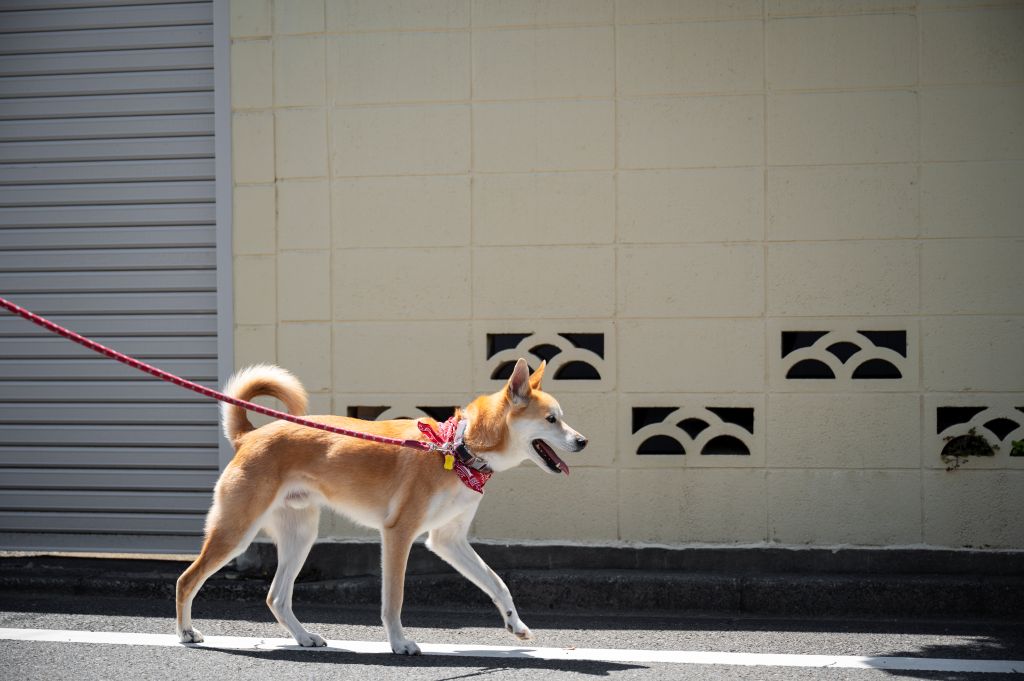
Dog pacing is something you may have heard about, or even noticed in your own dog, but never really paid attention to. Many people think of it as just a quirky way some dogs move—but in fact, it can reveal much more. It might look smooth at a glance when they swing both legs on the same side forward, almost like a camel, but it’s not how dogs are meant to move—especially not during walks or jogs. If your dog is pacing a lot, it can be a sign that something’s off.
Let’s take a closer look at why dogs pace, what it might mean for their body, and what you can do to help them move better.
Why Do Dogs Pace?
Many dogs end up pacing because they’ve learned to match our walking speed. We usually walk a bit too fast for a relaxed walk and too slow for a proper trot. So the dog finds a middle ground—and that often turns into pacing.
In some cases, it’s just become a habit. No one’s shown the dog another way to move, so pacing sticks. But sometimes, pacing isn’t just a habit—it’s a workaround. The dog is compensating for something it’s struggling with physically.
A 2016 study found that pacing often shows up at moderate speeds, especially when dogs are on leash. It’s not an efficient or natural gait for exercise. If a dog consistently paces instead of trotting, it’s worth having their body checked by someone who understands movement (Wendland et al., 2016).
What Could Be Going On?
Some dogs pace here and there, and that’s not always a problem. But if it’s happening a lot—especially during walks or runs—it could be a sign of:
-
Stiffness or discomfort in the hips, back, or pelvis
-
Limited flexibility or reduced range of motion
-
Weak core or back-end muscles
-
Old injuries that changed the dog’s movement
-
Poor coordination or body awareness
- Cognitive disorders in older dogs
Pacing doesn’t challenge the dog’s body the way trotting does. It’s less stable, less effective, and can reinforce the very issues we’re trying to avoid.
Good to know: Trotting is a gait that builds coordination, strength, and endurance. Pacing doesn’t activate the same muscles and often shows up when the dog is avoiding certain movements.
Jogging with a Pacing Dog? Hit Pause
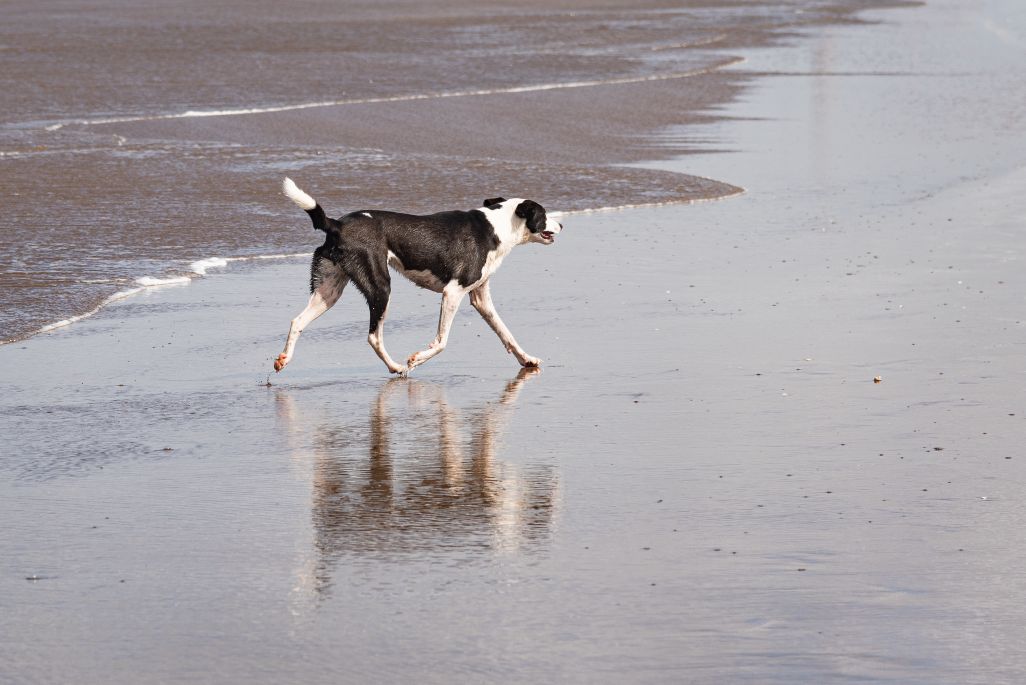
Taking your dog along for a run might seem like a great way to stay active together—but if your dog paces through the whole jog, it’s not helping their body in the way you might think.
Here’s why it can be a problem:
-
The dog’s back, hips, and legs aren’t moving the way they should
-
Muscles aren’t working properly—so they’re not getting stronger
-
The spine and joints take on extra strain
-
Underlying pain or stiffness can get worse
So even if it feels like you’re doing something positive, if your dog is pacing instead of trotting, it’s probably not doing them any good—and might be doing more harm than you realize.
What You Can Do Instead
The good news? Dogs can absolutely learn better movement patterns. You just need to start at the right level and help them rebuild coordination and strength from the ground up.
Here are some things that work well:
-
Balance work – Standing on balance pads, foam mats, or uneven surfaces helps activate core muscles
-
Cavaletti training – Walking over low poles encourages body awareness and stride control
-
Slow walks in varied terrain – Trails, grass, and gentle slopes challenge the dog’s joints and balance in a healthy way
-
Sit-to-stand – Simple but powerful for building hind-end strength
-
Rear-end awareness drills – Backing up, controlled sidesteps, or stepping over objects with focus
-
Loose-leash walking at the dog’s pace – Use a long leash and let them find their own trot instead of sticking to our rhythm
Tip: Keep it short and intentional. If your dog tends to pace, don’t push long sessions. Focus on calm, controlled movement—not cardio.
Final Thoughts
Pacing isn’t something to panic about—but it’s definitely worth noticing.
It’s often a sign that your dog needs a little help moving better, not just moving more. And with the right kind of exercises, you can make a real difference in how they feel and function—today and long term.
Since pacing can sometimes be a sign of discomfort, you might also want to learn how to spot early signs of pain in dogs.
🐾 Keep your dog strong and happy.
Sign up to get your free exercise guide and be the first to know when DogWellHub opens. You’ll also get small, practical insights to help your dog stay active in everyday life.
🐾 Get My Free Exercise Guide